
Agrivoltaic Revolution in the Olive Groves of Jaén
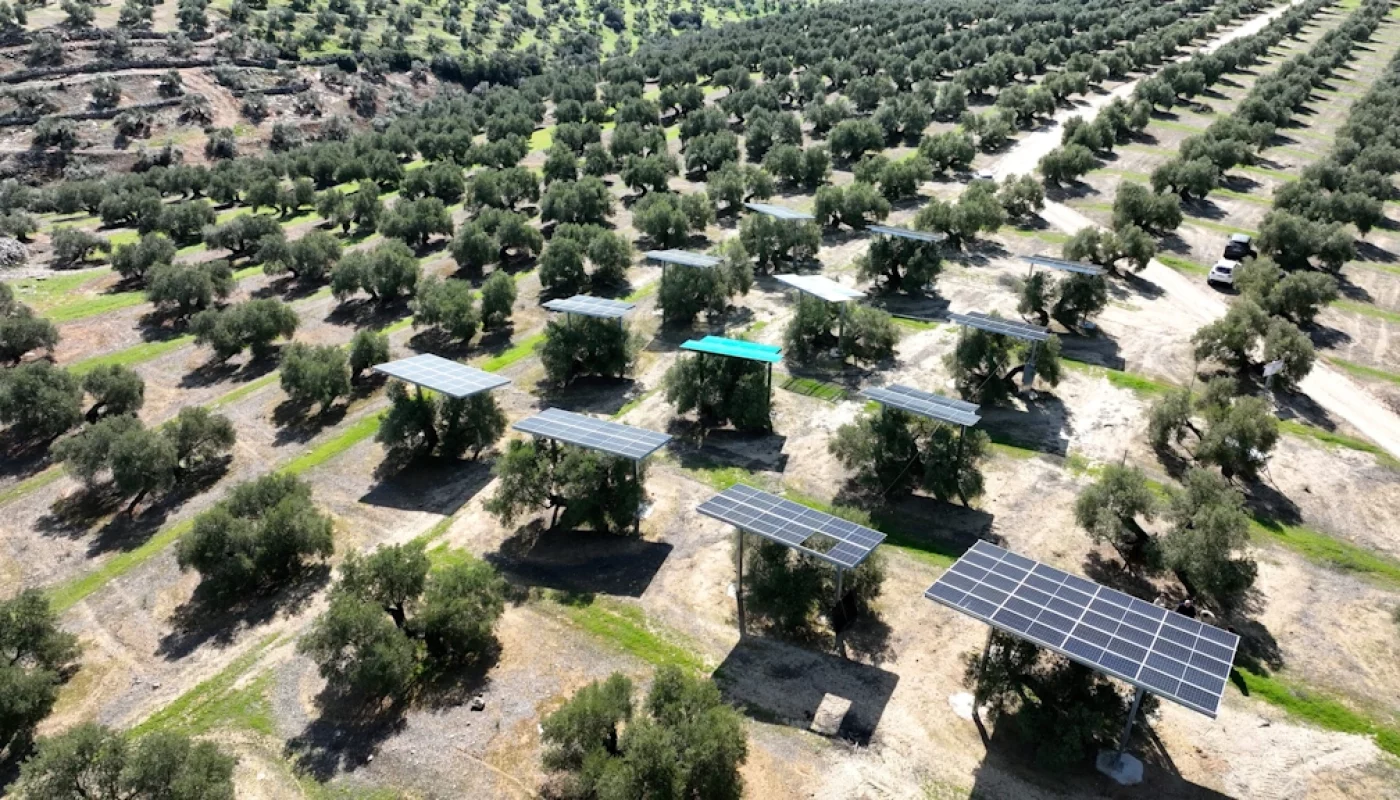
The innovative agrivoltaic project developed in the town of Vilches (Jaén) by the companies Acesur and Greening demonstrates that the sustainable production of EVOO and Solar Energy can coexist on the same agricultural plot. This initiative solves the historical land dilemma between photovoltaic developers and local farmers in Andalusia. Backed by 2.8 million euros from IDAE, 5,150 photovoltaic modules (3.65 MWp) are installed over five hectares of olive groves in production, ensuring that one hundred percent of the trees remain intact without altering agricultural activity.
? Take advantage of the exclusive mill price!
Buy Extra Virgin Olive Oil from Spain
Get the benchmark La Mancha EVOO: maximum purity extraction, intense green notes, and the elegance your dishes deserve.
Buy Oleoestepa Organic Extra Virgin Olive Oil Now on Sale!
The Technical Key: Clearance Height for Harvesters
The most revolutionary aspect of this design lies in the elevated support structure: the panels are positioned at more than four meters in height. This distance does not depend on the size of the olive trees—which barely reach two meters—but on the clearance required for 3.5-meter straddle harvesters to pass freely over the rows of trees for mechanized harvesting. All the clean electricity generated above the treetops is dedicated to the industrial self-consumption of the adjacent plant where brands like Coosur and La Española are bottled, drastically reducing the carbon footprint.
Efficient Storage and Scientific Research
To maximize system efficiency, the facility incorporates an advanced 3 MWh battery system, allowing surplus energy to be reserved for peak demand periods. Likewise, to evaluate the biological impact of this technological and agricultural symbiosis (EVOO and Solar Energy), a team of researchers from the University of Jaén is monitoring the crop by reserving over 20% of the estate without panels as a scientific control group. This will facilitate the precise measurement of key parameters such as water stress, soil temperature, and olive tree photosynthetic yield.
EVOO and Solar Energy: Protection Against Climate Change
Although there was initial concern regarding potential yield loss due to shade, the scientific hypothesis suggests a positive effect. This elevated overhead coverage could prove highly beneficial against extreme climate change by mitigating direct solar radiation, reducing water evaporation, and protecting the canopy during the hottest periods. Ultimately, this strategic alliance between EVOO cultivation and solar energy sets a decisive precedent for modernizing the Spanish agri-food sector without compromising traditional agricultural heritage.
Looking for an authentic EVOO, rich in natural antioxidants for your health? Straight from the olive mill to your table.

Olive pit: the technological key to diversifying income and boosting profitability in olive mills
The current profitability of the olive oil sector no longer depends exclusively on the commercialization of olive oil. The advanced and efficient management of the by-products generated during the production process has become a fundamental strategic avenue to diversify income, reduce energy costs, and increase the competitiveness of olive mills. Specialized technology companies, such as Secaderos de La Loma, design advanced solutions for the recovery, cleaning, drying, and comprehensive valorization of these resources.
Among the main alternatives, the valorization of industrial olive pit through wet cleaning processes stands out—an option that removes pulp and impurities with a contained investment and without the need for initial thermal systems. Likewise, comprehensive cleaning and drying systems—such as FIERA technology—make it possible to transform the pit into a high-value-added biofuel with optimal moisture control, fostering the energy self-sufficiency of the facilities themselves.
Additionally, technological innovation encompasses low-temperature pomace drying to preserve components of interest for industrial and animal feed applications, as well as the utilization of the olive leaf to transform it from waste into an energy or commercial resource. A clear example of success is the project implemented at S.C.A. San Vicente de Mogón, where a plant capable of producing up to 2,000 kg/h of dry pit optimizes resources and diversifies the business through its commercialization and bagging.