
How Does EVOO Consumption Affect Digestive System Health?
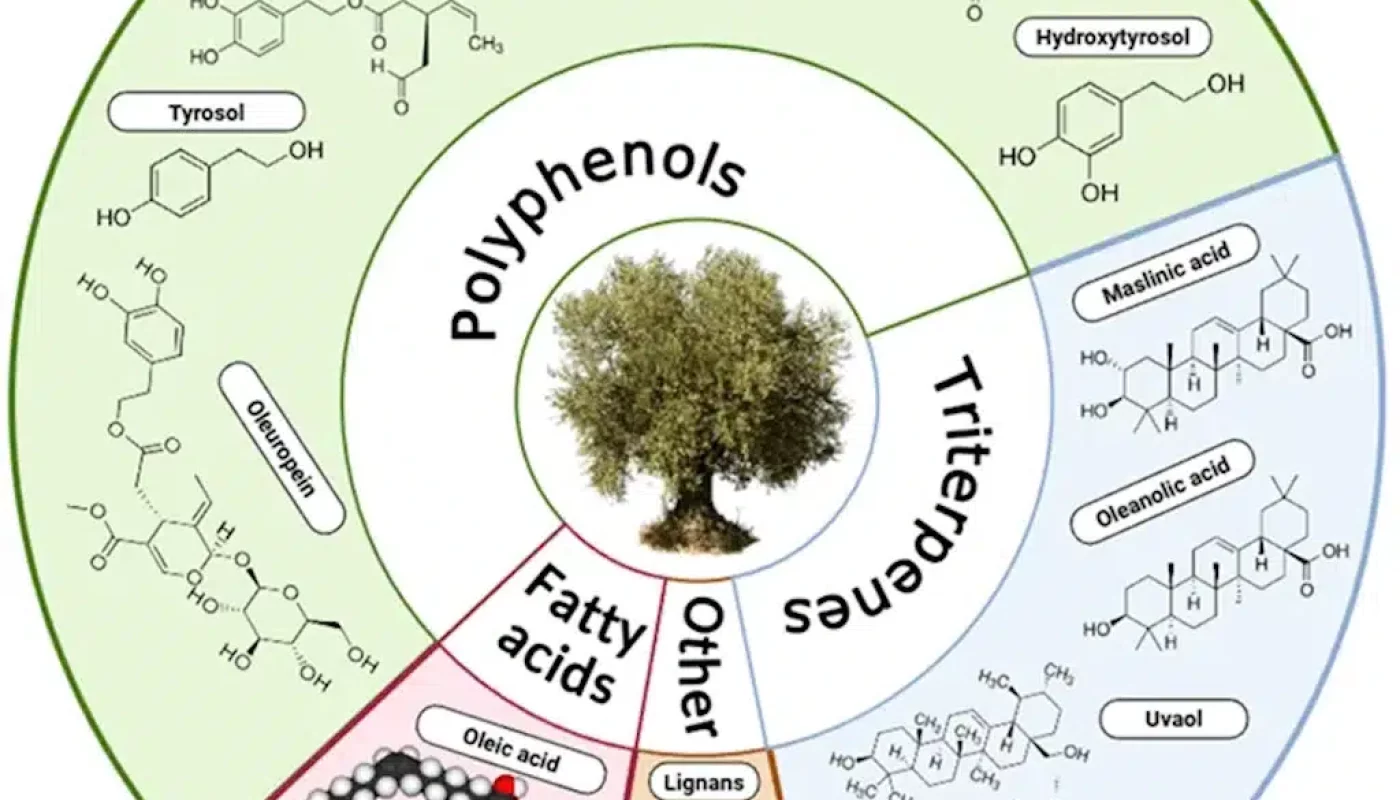
Recent research has explored how olive-derived bioactive compounds, such as polyphenols, secoiridoids, and triterpenes, modulate the gut microbiota and promote intestinal health. A study published in the journal Foods synthesized evidence on the effects of these compounds on microbiota composition and function.
? Exclusive promotion straight from the oil mill!
Buy Extra Virgin Olive Oil from Spain
Get the best online deal on premium EVOO from Jaén, a limited edition early harvest juice with incomparable aromatic nuances.
Buy Extra Virgin Verde Íbero Ltd. Ed. from Jaén at the Best Price!
The olive tree, native to the Mediterranean region, is valued for its oil and fruit. Its various parts contain functional ingredients and bioactive compounds.
- Olive Oil: Primary source of monounsaturated fatty acids (MUFAs), especially oleic acid. It also contains phytosterols, tocopherols, polyphenols, and squalene, associated with multiple health benefits.
- Olive Fruit: Contains phenolic compounds, dietary fiber, and triterpenes.
- Olive Leaves: A cultivation byproduct rich in secoiridoids and flavonoids with anti-inflammatory and antioxidant properties.
- Olive Mill Wastewater (waste liquid from olive pressing): Concentrated in water-soluble phenols with antimicrobial, anti-inflammatory, and antioxidant potential, representing a valuable source for functional ingredient recovery.
Phenolic compounds, such as flavonoids, phenolic acids, and polyphenols, are the most widely studied for their diverse biological activities. The olive tree contains more than 170 polyphenols, known for their antioxidant properties and prebiotic effects.
- Oleuropein: Secoiridoid with neuroprotective, anticancer, anti-inflammatory, and antimicrobial actions. It modulates both gut and skin microbiota.
- Tyrosol: Notable phenol in wine and olive oil, recognized for its neuroprotective and cardioprotective properties.
- Oleocanthal: Anti-inflammatory properties similar to ibuprofen.
- Oleacein: Another secoiridoid with potent antioxidant effects.
- Terpenoids: Such as maslinic acid and oleanolic acid, which show potential in modulating gut health.
Oleacein: Therapeutic Potential
Oleacein exhibits antioxidant, anti-inflammatory, and anti-atherosclerotic properties. It is one of the most abundant and chemically active phenols in EVOO.
This compound is formed through the hydrolysis of oleuropein during olive processing, transforming into an amphiphilic molecule capable of dissolving in both aqueous and lipid environments. This dual solubility allows it to integrate into particles such as low-density lipoproteins (LDL), protecting them from oxidation—a crucial step in the formation of arterial plaques.
Unlike oleocanthal, oleacein does not inhibit COX enzymes; instead, it modulates the inflammatory response by reducing the expression of pro-inflammatory cytokines such as TNF-? and interleukins.
Clinical studies have linked the consumption of oleacein-rich EVOO to improvements in metabolic health (BMI and glucose reduction) and decreased inflammation. Furthermore, preclinical research suggests neuroprotective potential, with observed anti-inflammatory and antioxidant activity in multiple sclerosis models, as well as a positive impact on neuroplasticity.
Additionally, its ability to improve insulin sensitivity and regulate blood glucose levels gives it a relevant role in preventing metabolic diseases such as type 2 diabetes.
By neutralizing free radicals with superior efficiency compared to other polyphenols, oleacein not only preserves cellular integrity and delays aging, but also serves as a biological indicator of excellence in early harvest and cold extraction processes—positioning olive oil not just as a food, but as a natural pharmacological tool to promote longevity.
EVOO Polyphenols and Their Prebiotic Action in the Digestive System
Olive oil contributes to health not only through its high MUFA content, but also through its diverse bioactive compounds. These compounds interact bidirectionally with the gut microbiota. Microbes transform olive oil constituents into new metabolites, and these compounds in turn reshape the microbial community, promote beneficial taxa, increase short-chain fatty acid (SCFA) production, and restrict harmful microbes.
The lipid matrix of olive oil facilitates the intestinal absorption of phenolic compounds and encourages microbial communities associated with reduced inflammation. Olive bioactive compounds modulate the gut microbiota, promoting a balanced microbial ecosystem, increasing intestinal barrier integrity, and reducing inflammation. These compounds have demonstrated therapeutic potential in gastrointestinal (GI) disorders such as colitis, intestinal inflammation, and obesity.
Importantly, these benefits may derive from the synergistic action of several compounds rather than a single isolated component.
A recent scientific study from the University of Jaén received major recognition for its research into the role of EVOO in the gut microbiota, demonstrating that its regular consumption is decisive for the balance of our digestive ecosystem. EVOO acts as a powerful modulating agent, favoring the growth of beneficial bacteria that strengthen the intestinal barrier and improve overall immune response.
When analyzing the role of EVOO in the gut microbiota, researchers emphasize that its polyphenols and monounsaturated fatty acids not only fight inflammation, but also generate metabolites that protect against metabolic and cardiovascular diseases.
This discovery reinforces the idea that the gut functions as a second brain, where EVOO positively intervenes in communication between bacterial flora and the rest of the organism.
Ultimately, understanding the role of EVOO in the gut microbiota scientifically validates why this food serves as the foundation of a healthy diet, offering protective effects that go far beyond simple nutrition and are vital for preventing chronic disorders and improving longevity.
EVOO and Gut Health: Challenges and Future Perspectives
Despite promising findings, significant challenges remain before these results can be translated into clinical recommendations. Much of the current evidence stems from animal studies, and results may not be directly applicable to humans due to genetic, dietary, and physiological differences. Researchers also note the difficulties of standardizing olive oil composition for studies and the natural variability of the human gut microbiota, making it hard to draw universal conclusions. Well-designed, long-term human clinical trials are required to confirm these results and better understand individual responses.
? Looking for authentic EVOO, rich in natural antioxidants for your health? Straight from the oil mill to your table.

Conclusions
In summary, secoiridoids, polyphenols, and triterpenes derived from olive oil establish bidirectional communication with the gut microbiota. This interaction shapes the production and balance of microbial metabolites, including SCFAs, neurotransmitters, phenolic derivatives, and secondary bile acids. Translating this knowledge into functional products and dietary recommendations will require multidisciplinary studies integrating clinical trials with systems biology and multi-omics approaches. Deepening mechanistic understanding and addressing these research gaps could fully unlock the therapeutic potential of olive bioactives for metabolic, inflammatory, and gut-brain axis-related disorders.