

Transfer Mechanics: How Extra Virgin Olive Oil Enriches Vegetables with Antioxidants
Scientists from the University of Granada have come to this unexpected result (Food Chemistry Store). The researchers wanted to know which culinary technique was the best to maintain and increase the benefits of vegetables. And despite all the odds, frying in olive oil was the best option.
In particular, they have shown that French fries are healthier than boiled potatoes, but only if olive oil is used. Actually, scientists showed that frying vegetables moderately in olive oil helps maintain healthy ingredients, polyphenols and antioxidants. In fact, these components help fighting certain types of cancer.
To come to this conclusion, they roasted and cooked potatoes and other vegetables. The result was then analyzed in the laboratory to count the amount of healthy substances they still contained. Vegetables were found to lose these components that went into the water when cooked. On the contrary, she kept vegetables fried in olive oil!
In previous similar studies, scientists have shown that when roasted, the oil transfers its polyphenols and antioxidants to foods. Remember that these microparticles are able to fight chronic degenerative diseases such as cancer, diabetes, macular degeneration or Alzheimer’s.
? Taste Excellence: Award-Winning Organic EVOO Direct from the Mill!
Discover World-Class NYIOOC Award-Winning Olive Oils
Elevate your culinary creations with internationally acclaimed organic extra virgin olive oil. Experience the vibrant intensity and unmatched freshness of an authentic early harvest.
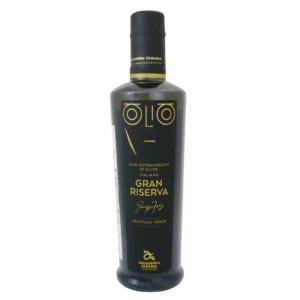
Shop Accademia Olearia Gran Riserva Monte Prama – NYIOOC Gold Winner on Sale!
Heat Degradation vs. Food Absorption: What Happens to Phenolic Compounds During Cooking?
Frying with olive oil has therefore two advantages, healthy substances are not only not lost but also enriched. And among olive oils, the best oil for frying is EVOO because it has the highest concentration of these substances.
It has also been shown that when frying with olive oil, the food is covered with a light layer of oil. This layer prevents excessive oil from getting into the food, which is not the case with other oils like sunflower oil. This culinary technique could therefore help us lose weight.
When cooking or frying with olive oil, polyphenols penetrate vegetables more easily. This process takes place at high temperature due to the fatty acids in the oil, which improves its phenol density.
Also, cooking with olive oil is generally healthier because it is more stable at high temperatures and “degenerates” later. This avoids the formation of oxidizing compounds that are harmful to our bodies. However, the “”smoke”” temperature must not be reached under any circumstances. The myth that sunflower oil is best cooking oil has fallen!
Note that not all varieties contain the same density of polyphenols and antioxidants and do not behave the same when cooking at high temperatures. You have to choose resistant varieties like Picual olive oil, Koroneiki olive oil or Hojiblanca olive oil, because they have a very high concentration or phenol density. This also makes them more resistant to roasts since they can reach higher temperatures but remain stable.
The stability of olive oil therefore depends on the olive from which it comes. But also on the climatic conditions and its degree of ripeness. On the other hand, its stability is directly influenced by its content of linoleic acid and polyphenols.
Extra virgin olive oil Picual and Cornicabra are therefore ideal for cooking and fried foods. On the contrary, we choose Arbequina, Blanqueta or Morisca in cold dishes, vinaigrettes or salads. In any case, you should not exceed the smoke point for any variety.
Conclusion: So, when you’re planning on frying, Extra Virgin Olive Oil (EVOO) is definitely worth considering. It’s pretty stable when heated, which is important, and it gives your food a really nice taste. EVOO might not have quite as high a smoke point, but it’s got this wonderful, strong flavor and it’s packed with good stuff, which is why a lot of people who love to cook prefer it.
The fact that EVOO doesn’t break down easily when heated is a big plus for frying. Plus, it has this distinct flavor that can really elevate your fried dishes. And honestly, even though it doesn’t handle the absolute highest heat, it’s still totally fine for most frying you’d do at home, like pan-frying and sautéing.
Culinary Methods That Maximize Bioactive Compound Retention
The fertile land of the Mediterranean makes the perfect home for the picky olive tree to grow, for more than 6,000 years. While the specific origin of olive oil is unknown, it is suspected this rich liquid was first created in present-day Syria or sub-Saharan Africa.
Producers worldwide make many types of olive oil, each with their own specifications. Though unique in some ways, they all start with roughly the same process: mashing the olives and removing the remaining solids from the resulting oil through mechanical extraction.
Some common olive oil categories are light olive oil, regular olive oil, virgin olive oil, and extra virgin olive oil, which increase in flavor and quality from light to extra virgin.
Light Olive Oil
It’s a common misconception that light olive oil is somehow healthier or lower in fat and calories than other varieties of olive oil, likely because of the “light” distinction in its title. Light olive oil is actually just extra refined and thus has a paler, light color. This refining makes it a great option for baking as it won’t overpower your dish if you want other flavors to shine through.
Light olive oil also has a high smoke point compared to other types of olive oil at 470 degrees Fahrenheit, so we recommend you choose it for high-heat cooking, like sauteing and frying. Light olive oil is often also cheaper than the others.
Regular Olive Oil
Regular olive oil is a little less refined than light olive oil, making it slightly more flavorful, though not as flavorful as the coveted extra virgin. Regular olive oil has a milder taste due to the heat used in production to remove impurities. To make up for this, a percentage of extra virgin olive oil is often added in to boost the flavor lost during the refining process. The high heat used in the refining process also causes an antioxidant loss from olive oil. The more refined an oil is, the fewer antioxidants there are present
Regular olive oil can withstand higher heat and still impart a little of that classic olive oil taste but won’t take over the flavor profile of whatever dish you’re cooking. This is a great option for seafood, searing meat, or infusing with herbs and garlic for a finishing oil, as it will still let those flavors shine.
Virgin Olive Oil
To get the virgin olive oil distinction, producers cannot use any heat or chemicals to make it. Therefore, virgin olive oil has to be completely unrefined cold extraction, only separated and filtered from the solid olive remains. The purity standards are not quite as high as those of extra virgin olive oil though, and more defects in the oil are possible, including fustiness, or slight fermentation in the olives before they are milled, as olives are left to sit for too long before processing.
As it is unheated, virgin olive oil does have more flavor and richness than light or regular olive oil. This product is often harder to find in grocery stores, but if you can get your hands on it, try using it in dishes or preparations that will leave any defects unnoticed, like roasting vegetables or baking.
Best Olive Oil for Cooking: EVOO
Extra virgin is the gold standard when it comes to olive oil: It has a high polyphenol content, is incredibly flavorful, has high standards of production, and does not go through any refining processes. The oil earns its distinction by having a strong scent, robust flavor, unique mouthfeel, and none of the common defects permitted in other olive oil varieties.
? Pure, Antioxidant-Rich EVOO for Your Everyday Health. Shipped Straight to Your Door.

This is a good choice for salad dressings and marinades, as a dipping oil, or drizzled on top as an uncooked finishing oil. The flavor of the oil is best appreciated before any heating, so we recommend using it uncooked. The smoke point is also lower than other olive oils at 350 degrees.
Other olive oils are also generally cheaper than extra virgin, so if you’re going to shell out for this oil, make sure to get the most out of it.