
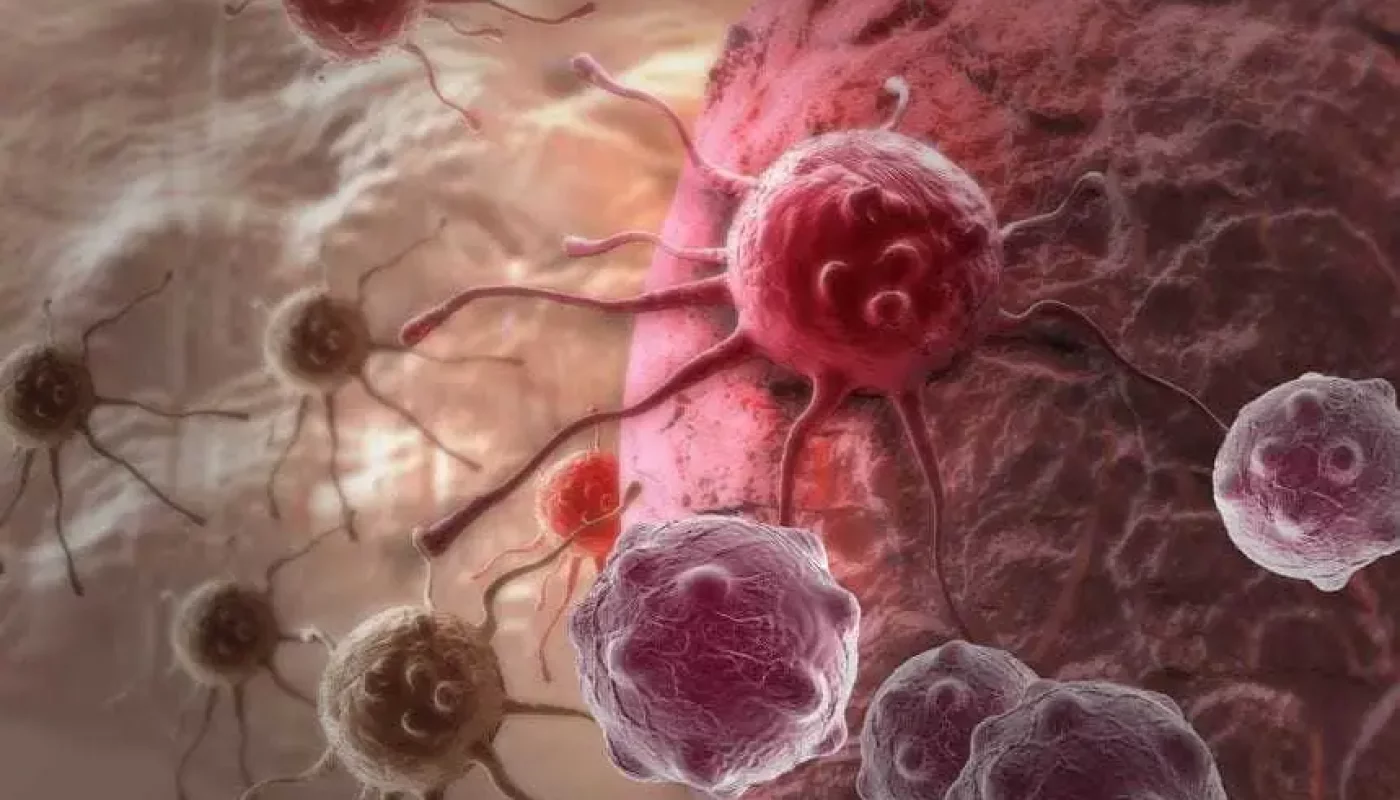
The Bioactive Compounds in EVOO That Help Stop Cancer Cells
A research study at the Provincial Hospital of Castellón, led by the Advanced Therapies Unit, will explore the antitumor potential of extra virgin olive oil (EVOO) Sabor del Temps, produced in Foia de l’Alcalatén. This project is based on the findings of previous studies from Universitat Jaume I (UJI) and the University of Córdoba, which demonstrated the oil’s ability to inhibit the proliferation of tumor cells in vitro.
? Best price straight from the oil mill!
Buy Extra Virgin Olive Oil from Spain
Get the highest quality at the most economical price, a premium EVOO from Jaén with intense flavor and exceptional gourmet balance.
Buy Oro del Desierto Organic Lechin on Exclusive Offer!
Scientific Background
The starting point of this new research is two collaborative studies. The first, using an olive extract from Sabor del Temps, evaluated its effect on the HT-29 human colon adenocarcinoma cell line. The results showed an inhibition of cell proliferation with an IC50 value of 13 µg/mL. IC50 (Half Maximal Inhibitory Concentration) is a key metric in pharmacology indicating the concentration of a substance needed to inhibit a biological process by half—in this case, cancer cell growth. Additionally, it was confirmed that the extract is stable and maintains its properties long term.
The second study, conducted with Sabor del Temps Blanc EVOO itself, also demonstrated a significant antitumor effect. At a dose of 30 µg/mL, the oil inhibited HT-29 colon adenocarcinoma growth by 30% and MCF-7 breast adenocarcinoma growth by 30%. Importantly, these doses had no harmful effects on healthy cells, suggesting a potential selectivity of action.
Methodology of the New Study
The current project, led by scientist Raquel Gil Edo, aims to take these findings to a more advanced and clinically relevant phase. The research will focus on preparing samples of EVOO and olive pulp.
The main methodological innovation lies in using three-dimensional cell models, known as organoids. Unlike conventional two-dimensional cell cultures, organoids replicate the structure and function of real tissue more accurately. This allows for a more faithful simulation of tumor response to treatment. The study will evaluate the effect of EVOO samples on the growth and inflammation of these cultures, particularly in breast adenocarcinoma cell lines (MCF-7).
Additionally, a preclinical validation will be performed using organoids derived from patients with pancreatic ductal adenocarcinoma (PDAC). Pancreatic cancer is one of the most aggressive cancers with high mortality rates, making the search for an effective therapy a significant advancement. By working with patient-derived cells, researchers can gain a more accurate approximation of the response treatment might have in a real clinical context.
This project represents an interdisciplinary collaboration between the Dávalos-Fletcher Foundation, the Advanced Therapies Unit of the Provincial Hospital of Castellón, and UJI, with the participation of experts such as Carlos Ferrer and Eva Falomir. The research not only places Castellón at the forefront of oncological research using natural products, but also highlights the potential of personalized and preventive therapies. The results could open a new pathway for developing complementary or alternative cancer treatments.
? Looking for authentic EVOO, rich in natural antioxidants for your health? Straight from the oil mill to your table.

Benefits of EVOO in Childhood Cancer
An international study conducted by researchers from the Universities of Castilla-La Mancha, Porto, Lisbon, and Palermo has revealed the key role of EVOO in treating neuroblastoma, a prevalent tumor in childhood.
The research highlights how two of its main components, oleuropein and hydroxytyrosol, help combat this pediatric cancer thanks to their antioxidant properties and their ability to trigger apoptosis or programmed cell death in tumor cells. Furthermore, these compounds manage to counteract tumor cell dormancy, allowing treatment to overcome drug resistance and increasing the efficacy of conventional therapies.
Its integration as a therapeutic supplement not only contributes to directly fighting the disease, but also significantly reduces the side effects of traditional drugs, resulting in a substantial improvement in quality of life for pediatric patients and consolidating the medicinal value of the Mediterranean diet.
Antitumor Potential of EVOO: Italy Against Cancer
The Italian League Against Cancer (LILT) has launched a new edition of its flagship “National Prevention Week” campaign, placing EVOO as the absolute protagonist and symbol of health in the Mediterranean diet. Under the slogan “Prevention is a precious good”, the initiative aims to raise awareness among the population about the importance of a healthy lifestyle to reduce the risk of oncological diseases.
EVOO was chosen by the Italian League due to its exceptional nutritional profile, rich in polyphenols and antioxidants such as oleacein and oleocanthal, which possess scientifically proven anti-inflammatory and antitumor properties. During the campaign, LILT volunteers distribute bottles of Italian EVOO in exchange for donations intended for research and prevention centers.
This project highlights olive oil not only as culinary “liquid gold,” but as a natural pharmacological ally. The Italian League emphasizes that daily consumption of extra virgin olive oil obtained through cold extraction processes is one of the simplest and most effective strategies to protect cellular integrity and promote active longevity in modern society.
EVOO reduces the risk of cancer by a third!
There are many occasions where we have talked about the “power” of olive oil in the prevention of different types of cancer. Now, new research from the University of Athens links olive oil consumption to reducing the risk of suffering from any type of cancer by a third!
The work was based on a systematic review and meta-analysis between olive oil consumption and cancer risk. Thus, the search was carried out on the databases PubMed, EMBASE and Google Scholar (end of search: May 10, 2020). Subgroup, sensitivity and meta-regression analyzes were also performed.
45 studies were included in the meta-analysis, 37 were control cases (17,369 cases and 28,294 controls) and 8 were cohort studies (12,461 incident cases in a total cohort of 929,771 subjects). After the study, it was concluded that a higher consumption of olive oil is associated with a 31% lower risk of suffering cancer, either of the breast, gastrointestinal tract, upper aerodigestive tract and urinary tract.