
How EVOO Helps Control Blood Sugar and Prevent Diabetes
Effective metabolic control, especially after evening hours, is a fundamental pillar to mitigate complications associated with diabetes and optimize blood sugar levels.
According to current nutritional evidence analyzing the impact of nighttime intake, strategic food selection is crucial to prevent unwanted glycemic spikes and stabilize insulin response during rest. In this scenario, the radical substitution of simple carbohydrates and added sugars with slow-digesting macronutrients and healthy fats represents the most effective dietary intervention.
? Get gold-medal EVOO direct from the mill at the lowest guaranteed price!
Buy Award-Winning Extra Virgin Olive Oil from the AIPO d’Argento
Purchase online the exclusive EVOO backed by this prestigious international award. Take advantage of our offer to enjoy early harvest extra virgin olive oil, an unmatched intense fruitiness, and the authenticity of a world-class champion.
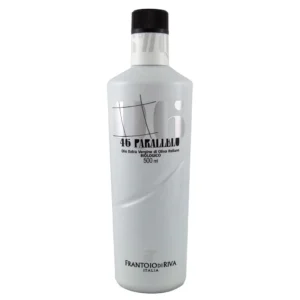
Buy 46° Parallelo Organic “Freshly Made”
Among the most notable components for their ability to slow gastric emptying and modulate glucose absorption is olive oil, an essential monounsaturated fat that not only optimizes insulin sensitivity but also provides a powerful anti-inflammatory effect that protects the cardiovascular system.
The synergistic combination of lean protein, soluble fiber, and heart-healthy lipids—such as those present in avocado, nuts, and the aforementioned olive oil—acts as a natural metabolic brake against carbohydrate-rich foods, achieving a progressive energy release that stabilizes blood sugar and prevents both postprandial hyperglycemia and nocturnal hypoglycemia.
For people managing diabetes, establishing an evening eating routine focused on low-glycemic, nutrient-dense foods is a key tool to improve glycated hemoglobin, promote prolonged satiety, optimize overall metabolic functions, and ensure waking up with stable and safe glucose profiles.
Is EVOO effective in regulating glucose? Scientific Breakthrough in Málaga
The Translational Research Group in Cardiovascular Diseases, part of the Biomedical Research and Nanomedicine Institute of Málaga Platform (IBIMA BIONAND Platform), has conducted a “pioneering study” that could have a significant impact on the management of kidney disease in Spain. This is due to the effect on the kidneys of one of the polyphenols present in extra virgin olive oil (EVOO), 3′,4′-dihydroxyphenylglycol (DHPG).
The research focused on analyzing the impact of this polyphenolic compound on kidney damage associated with type 1 diabetes, a disease that affects a large number of people in our country. Long-term complications of this disease, such as kidney disease, represent a significant burden for patients and the Spanish healthcare system.
The study, conducted on rodents, revealed promising results. Diabetic animals treated with the polyphenolic compound showed a reduction in oxidative and nitrosative stress, as well as an increase in the production of prostacyclin, an important biomarker for maintaining kidney function. A decrease in urinary protein excretion and improvements in the morphological parameters of the glomeruli, key indicators of kidney damage, were observed.
“Our study shows promising evidence that administering DHPG to rodents with type 1 diabetes produces a nephroprotective effect. This is likely due to the sum of its antioxidant, antinitrosative, and regulatory effects on prostacyclin production. Furthermore, the synergy of combining this product with other polyphenolic compounds is expected to improve kidney protection induced by diabetes mellitus,” state Drs. González Correa and De la Cruz Cortés.
These results constitute an important step in the search for innovative solutions for the prevention and treatment of kidney diseases in Spain. While more research is needed to fully understand the underlying mechanisms and confirm the findings, the discovery of a compound in EVOO with protective kidney properties opens new avenues for the research and development of more effective and targeted therapies.
? Looking for authentic EVOO, rich in natural antioxidants for your health? Direct from the mill to your table.

The study published in the journal Nutrients is led by researchers from the Translational Research Group in Cardiovascular Diseases, whose principal investigators are José Antonio González Correa and José Pedro de la Cruz Cortés. Additionally, professionals from the Department of Pharmacology at the University of Málaga, the Instituto de la Grasa of the CSIC, the Gómez Ulla Central Defense Hospital, the Axarquía Hospital, and the Málaga-Guadalhorce Health District participated.
Prior Consumption of EVOO Helps Control Blood Glucose
A study by Kyoto University has revealed that consuming a moderate dose of olive oil before eating carbohydrates helps prevent blood glucose spikes, a critical factor for people with diabetes. This food sequencing strategy stimulates the pre-release of digestive hormones (such as GLP-1 and glucagon), which significantly slows gastric emptying.
By delaying digestion and the passage of carbohydrates into the intestine, sugar absorption occurs in a gradual and controlled manner, reducing the burden on insulin metabolism. Researchers highlight that adjusting the meal order offers a practical and effective non-pharmacological intervention to improve postprandial glycemic control without the need for strict diets.
Anti-inflammatory and Health Benefits of EVOO
The article highlights that regular consumption of extra virgin olive oil, rich in polyphenols like oleocanthal, reduces C-reactive protein (CRP) levels by up to 22%, a key marker of systemic inflammation. In addition to offering powerful direct anti-inflammatory effects, it is processed favorably without irritating the stomach or overloading the liver. Among its main metabolic benefits, its support in appetite regulation and diabetes prevention stand out by improving insulin sensitivity and glycemic control.
However, experts remind us that it should be consumed in moderation—since a single tablespoon provides about 120 calories—and emphasize that it acts as a healthy addition to the diet, without replacing conventional medical treatments in any case.
Benefits of olive oil on renal function in type 2 diabetics
A study conducted by CSIC researchers (Javier Sánchez Perona and Alejandro Matamoros Domínguez) reveals that the consumption of olive oil enriched with oleanolic acid improves the filtration capacity of the kidneys in people with type 2 diabetes. The prolonged accumulation of glucose in the blood not only damages blood vessels, but also forces these organs to make a constant overexertion to process excess sugar, triggering progressive kidney failure and other conditions in the heart, nerves, and eyes.
To counteract this damage, scientists evaluated the effects of the compound present in the olive tree due to its anti-inflammatory and antioxidant properties. After a year of daily consumption of 55 milliliters of this healthy fat, patients managed to combat and substantially reduce advanced glycation end products (AGEs), toxic compounds derived from excess sugars that destroy kidney tissue. Although this nutritional intervention does not constitute a definitive cure for the disease, it opens a promising therapeutic avenue to protect the renal system and prevent severe complications.
Solidarity Edition of Jaén Olive Oil Against Diabetes
SCA San Vicente de Mogón, through its renowned brand Puerta de las Villas, has launched a special limited edition of 3,000 bottles of early harvest extra virgin olive oil with a strong charitable purpose. Presented within the framework of World Diabetes Day, this initiative donates a portion of its proceeds to the Diabetes Association of Jaén (ADEN) to support people living with this condition.
During the event, the president of the cooperative, José Gilabert, emphasized that this commitment will not be a one-off action, as the intention is to increase bottle production in future editions to expand its reach. For her part, the president of ADEN, Catalina Molina, expressed gratitude for the gesture and highlighted that this financial support will boost the guidance, information, and care programs that the organization offers to its 400 members and the nearly 3,000 people affected throughout the province of Jaén.
In this way, Jaén’s olive oil sector once again demonstrates its strong social responsibility, combining the excellence of its liquid gold with raising awareness and improving the quality of life for patients with diabetes.