
The Redefinition of the US Food Pyramid
Indice
The Redefinition of the US Food Pyramid: The Rise of the MAHA Movement
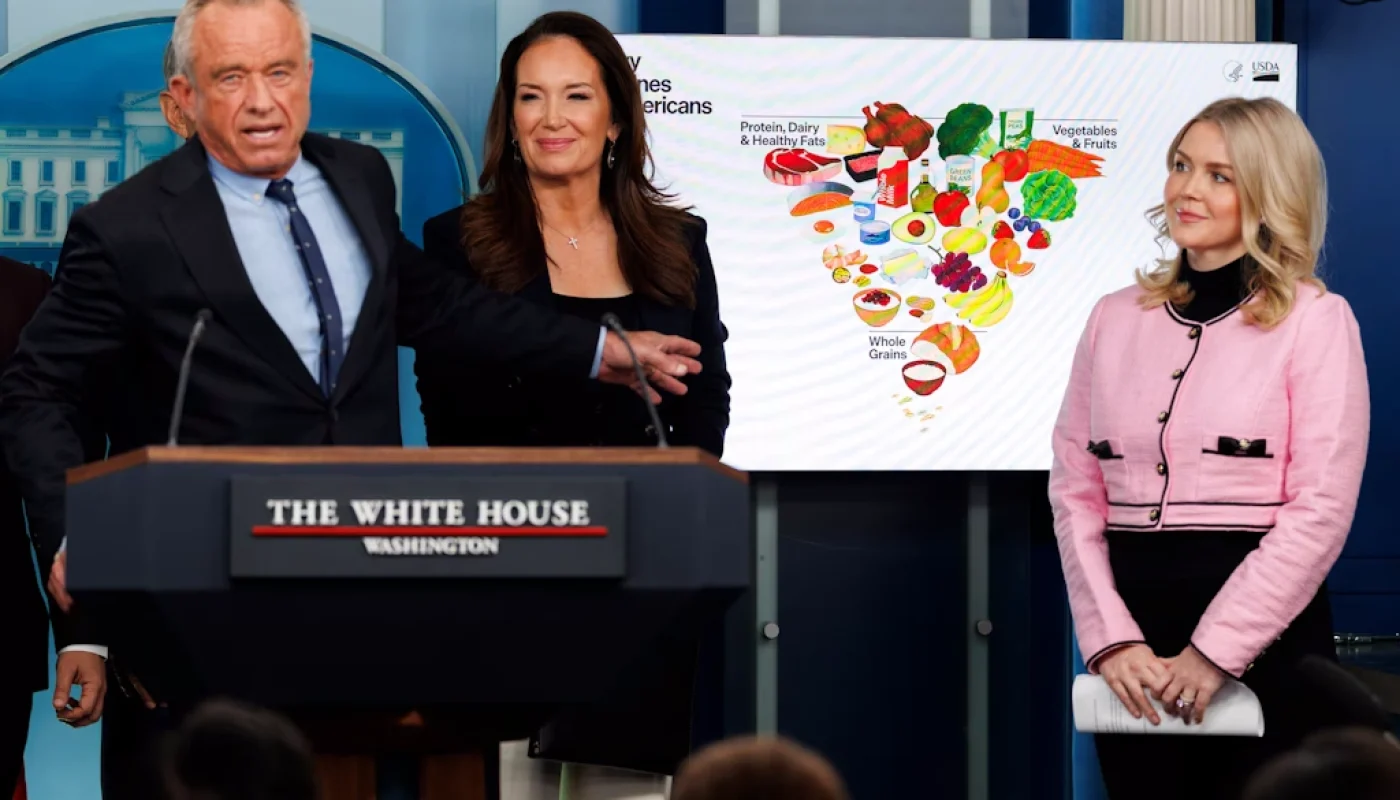
In a landmark shift for American nutritional policy, the Department of Health and Human Services, under the leadership of Secretary Robert F. Kennedy Jr., has unveiled a new food pyramid. This move marks a significant departure from previous dietary guidelines, aligning federal health recommendations with the “Make America Healthy Again” (MAHA) movement—a health-focused offshoot of the political agenda spearheaded by the Trump administration.
A Return to the Pyramid Format
The new guidelines officially retire the “MyPlate” icon, which had been the standard since 2011, and return to a pyramidal structure. However, this version is conceptually inverted compared to the original 1992 model. Instead of placing grains and carbohydrates at the base as the primary source of calories, the new model emphasizes “real food.”
At its core, the new guidelines prioritize high-quality proteins, healthy fats, fruits, and vegetables. According to the Department of Agriculture, led by Secretary Brooke Rollins, this change aims to “reset” federal nutrition policy to support American farmers and ranchers who produce whole foods, effectively moving away from the industrial food complex that has dominated the American diet for decades.
Key Nutritional Shifts
The new dietary recommendations introduce several fundamental changes to how Americans are encouraged to eat:
- Protein Primacy: The guide recommends a daily intake of 1.2 to 1.6 grams of protein per kilogram of body weight. It encourages sourcing this protein from nutrient-dense animal products (eggs, poultry, fish, and red meat) as well as plant-based sources like legumes and nuts.
- War on Ultra-Processed Foods: A central pillar of the MAHA movement is the elimination of ultra-processed foods. The guidelines explicitly advise against packaged goods with high salt and sugar content, as well as sugary drinks and energy boosters.
- Fat Over Grains: For the first time in modern history, the government is encouraging the consumption of natural fats from olives, avocados, and whole dairy, while advising a significant reduction in refined carbohydrates like white bread, flour tortillas, and cookies.
- Sugar Restrictions for Children: The guidelines take a hard stance on early childhood nutrition, recommending the total elimination of added sugars and non-nutritive sweeteners for children under the age of four.
The MAHA Movement’s Political Influence
The adoption of these guidelines is seen as a major victory for the MAHA movement. This coalition, largely driven by social media influencers and “wellness” activists, advocates for “clean eating” and expresses deep skepticism toward the pharmaceutical and industrial food industries. Influencers like Vani Hari (known as “The Food Babe”) have celebrated the announcement, claiming the new pyramid reflects the movement’s long-standing demands for transparency and health-centric policy.
Secretary Kennedy has frequently cited ultra-processed foods as the primary driver of the chronic disease epidemic in the United States. By reshaping the pyramid, the administration aims to focus on preventative health strategies rather than pharmacological interventions—a critique Kennedy has leveled against past administrations.
Implications and Future Outlook
The new guidelines also suggest that individuals with certain chronic conditions may see health improvements by adopting lower-carbohydrate diets, a stance that acknowledges the growing body of research on metabolic health.
In conclusion, the 2026 U.S. food pyramid represents more than just a change in dietary advice; it is a manifestation of a political and cultural shift. By prioritizing whole foods and high-quality proteins while demonizing ultra-processed products, the U.S. government is attempting to dismantle decades of nutritional orthodoxy in favor of a model that seeks to “Make America Healthy Again.” Whether this will lead to a significant decrease in chronic diseases remains to be seen, but it undoubtedly marks the beginning of a new era in American public health policy.
Important Note: oliveoilextra.com promotes the consumption of extra virgin olive oil for its culinary qualities and health benefits. However, it should not replace any current medication or treatment without the guidance of a healthcare professional.